What to Include in Your Rental Property Maintenance Plan (And Why It Matters)
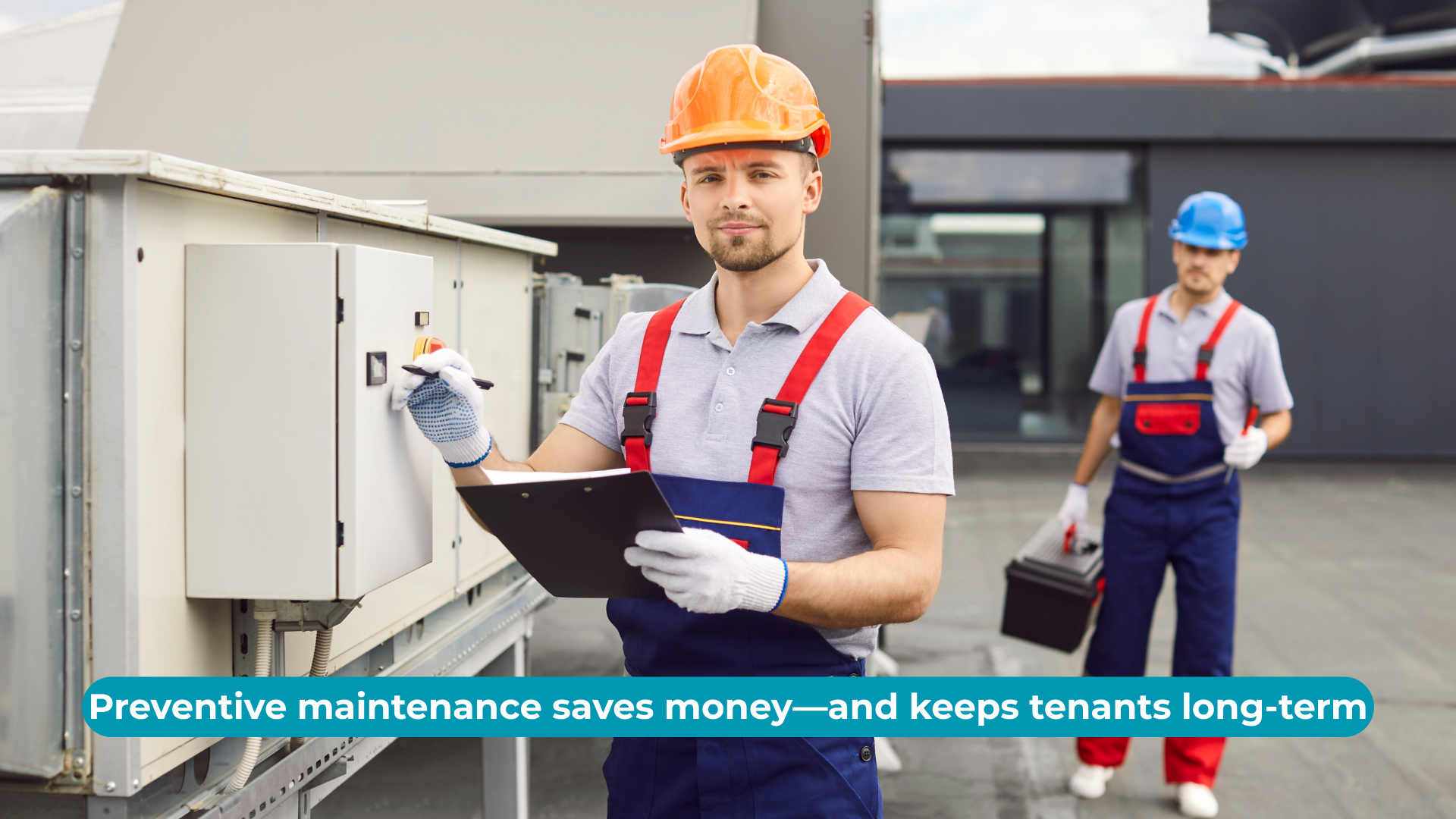
At Pioneer Management, we believe great property management starts with prevention. When it comes to owning rental property, maintenance isn’t optional—it’s essential. A well-maintained home not only preserves your investment, it also keeps tenants satisfied, reduces emergency repairs, and boosts retention.
Yet many landlords operate reactively, only addressing issues when something breaks—and that’s both costly and inefficient.
The solution? A proactive maintenance plan. In this post, we’ll share what to include in your rental maintenance strategy and why a preventive approach—like the one we use at Pioneer Management—is one of the smartest investments you can make as a property owner.
Why Rental Property Maintenance Planning Matters
Regular maintenance:
✅ Extends the life of your property’s systems
✅ Reduces emergency repair costs
✅ Helps justify rent increases
✅ Improves tenant satisfaction and retention
✅ Keeps you compliant with housing and safety codes
✅ Boosts long-term property value
Neglecting maintenance, on the other hand, leads to:
🚫 Expensive emergency calls
🚫 Unhappy tenants
🚫 Faster deterioration of your property
🚫 Legal liability if injuries or habitability issues occur
1. Annual Property Inspection
Schedule at least one comprehensive inspection per year to catch small issues before they become expensive problems.
Include checks on:
Roofing and gutters
Exterior paint and siding
Windows and doors (seals, locks, leaks)
Plumbing systems (leaks, water heater, fixtures)
Electrical outlets, lights, and breaker panel
Smoke and CO detectors
Flooring and walls
Attic, crawl space, or basement for moisture
Document findings with photos and notes for your records—and take action on anything flagged.
2. Seasonal Maintenance Tasks
Break your maintenance plan into seasonal checklists to stay ahead of common issues year-round.
Spring
Clean gutters and downspouts
Check roof for winter damage
Service HVAC system before cooling season
Inspect sprinklers and irrigation
Power wash siding and walkways
Summer
Trim trees and shrubs away from the home
Touch up exterior paint or caulking
Clean dryer vent and exhaust fans
Check for pest issues or signs of entry
Fall
Service heating system
Inspect and weather-strip doors/windows
Test smoke/CO detectors
Drain outdoor spigots and irrigation lines
Replace air filters
Winter
Monitor for ice dams or water intrusion
Check insulation in attics and crawl spaces
Respond quickly to frozen pipe issues
Keep walkways clear of snow and ice (if applicable)
Proactive seasonal care prevents damage and limits liability.
3. Appliance Maintenance Schedule
Regularly inspect and maintain all provided appliances to maximize their lifespan.
Best practices:
Clean refrigerator coils annually
Check oven seals and burners
Clean dishwasher filter
Inspect washer/dryer hoses and lint traps
Schedule annual water heater flush
Replace HVAC filters quarterly
Consider tracking appliances’ installation dates and setting reminders for expected replacement cycles.
4. Pest Prevention
An infestation can damage your property, lead to tenant dissatisfaction, or even violate local habitability standards.
Steps to include:
Seasonal exterior pest treatment
Sealing gaps and entry points
Checking for signs of rodents or insects during inspections
Educating tenants to report sightings immediately
Routine prevention is more effective and affordable than extermination after the fact.
5. Landscaping and Curb Appeal
Well-maintained landscaping boosts your property’s value and helps attract and retain tenants.
Include:
Regular mowing and edging
Seasonal trimming of bushes and trees
Lawn fertilization and weed control
Cleaning and mulching flowerbeds
Leaf and debris removal in fall
Clearly outline tenant vs. landlord responsibilities in the lease, or hire a landscaping service to handle it consistently.
6. Plumbing and Water Protection
Water damage is one of the costliest repair issues. Prevent it with proactive steps:
Check for slow leaks under sinks, toilets, and around tubs
Inspect caulking and tile grout
Flush water heater once per year
Test water pressure and install pressure-reducing valves if needed
Insulate pipes in cold areas
Installing inexpensive leak sensors in kitchens, bathrooms, and laundry rooms can save thousands in damage.
7. Tenant Maintenance Education
Tenants play a key role in your maintenance strategy. Help them help you by:
Providing a maintenance request portal or contact number
Including a tenant maintenance responsibilities list (e.g., changing light bulbs, plunging toilet, reporting leaks)
Sending seasonal reminders (e.g., heater vent cleaning, running ceiling fans in winter mode)
Offering basic “how to” guides (e.g., resetting garbage disposal, unclogging drains)
Educated tenants report problems earlier—saving you money and protecting your property.
8. Keep Detailed Maintenance Records
Always document:
Service dates
Work performed
Vendor contact info
Photos before/after
Receipts or invoices
This supports tax deductions, helps during property sales, and protects you during tenant disputes.
Property management software or digital maintenance logs make tracking much easier.
9. Know When to Hire Professionals
Some maintenance tasks should never be DIYed, including:
Electrical or gas repairs
Roof work
Major plumbing
Mold remediation
Asbestos or lead-based paint issues
Using licensed professionals ensures safety, protects your liability, and keeps you compliant with codes.
10. Work with a Property Manager Who Prioritizes Preventive Maintenance
At Pioneer Management, we don’t wait for things to break. Our full-service maintenance program includes:
✅ Seasonal inspections and service reminders
✅ Vetted vendor network with quality and cost control
✅ Preventive maintenance plans tailored to each property
✅ 24/7 maintenance emergency response
✅ Transparent reporting and owner updates
We help Oregon property owners reduce repair costs and protect their long-term investment value.
Final Thoughts: A Little Maintenance Goes a Long Way
Regular property maintenance isn’t just about avoiding emergencies—it’s about:
Increasing asset value
Enhancing tenant satisfaction
Reducing liability
Extending the life of your home’s systems
Saving you money over time
With a structured plan in place, you’ll feel confident knowing your rental is protected, profitable, and prepared for the future.
👉 Need help building or executing your rental property maintenance plan?
Contact Pioneer Property Management today and let us handle the details—so you don’t have to.